

Blog
Psychology Behind Cake Color Choices

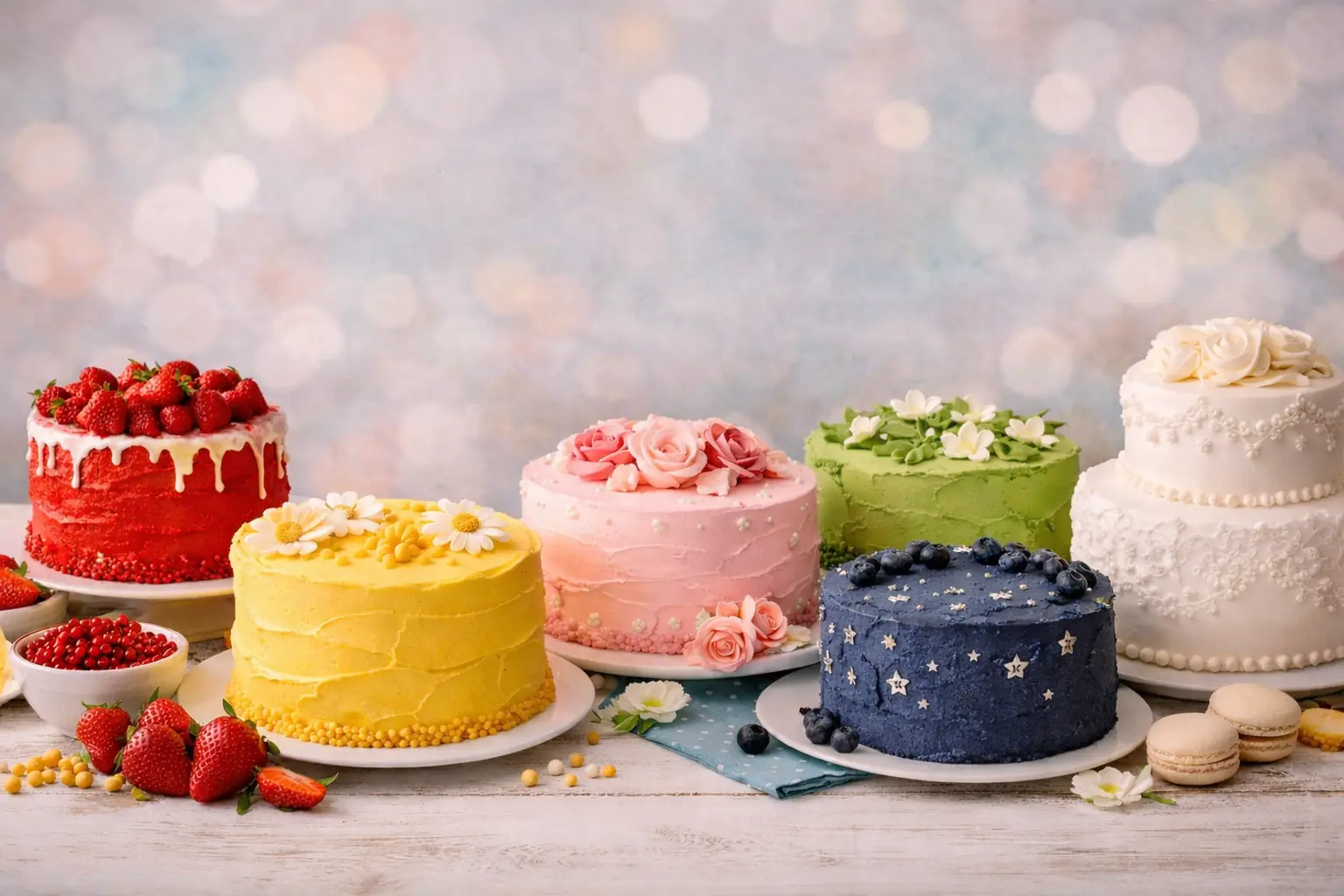
Have you ever seen a cake that made you feel happy, at ease, or nostalgic without even tasting it? That response is not coincidental. The psychology of cake color choices has a significant impact on our emotional attachment to cakes, our perception of flavor, and even our decision to place an initial order.
Color speaks before texture, before aroma, and before the first bite. It is easier to understand why some cakes feel appropriate for special occasions like birthdays, weddings, baby showers, or private celebrations when one is aware of the psychology behind cake color selections.
At The Pantry, color is never just decoration. It is part of the story. Explore our handcrafted creations on the home page, browse our cake collections, or dive into more cake insights on our blog to discover how thoughtful design makes every celebration unforgettable.
Psychology Behind Cake Color Choices and First Impressions
The psychology of cake color choices starts as soon as a person sees a cake. Our brain forms expectations almost instantly because it processes color more quickly than words or flavors. For this reason, one of the most effective tools in cake design is color.
Why color matters more than you think
- Color sets emotional expectations
- It creates assumptions about flavor and sweetness
- It influences appetite and mood
- It connects the cake to memories and occasions
When colors align with what we expect, the cake feels right even before the first bite. When they do not, the experience can feel confusing or less satisfying. This is why thoughtful color selection plays such an important role across different cake styles, whether you are choosing a birthday cake, a celebration cake, or something more understated for an intimate gathering. You can explore a variety of beautifully designed cakes in our cake collection if you want visual examples of how color shapes design and mood.
How our brain links color to flavor
Our brain creates associations over time. Strawberries are red, chocolate is brown, and vanilla is creamy and light. The brain feels at ease and familiar when a cake corresponds with these learned cues. The brain hesitates when it doesn’t, which can alter the cake’s emotional flavor.
The Emotional Meaning of Popular Cake Colors
Different emotions are evoked by different colors. Bakers frequently deliberately select colors to fit the celebration’s mood.
Red and deep warm colors
- Associated with passion, excitement, and indulgence
- Often linked to sweetness and richness
- Common in celebration cakes like birthdays and anniversaries
Red cakes have a strong, vibrant vibe. They attract attention and imply a potent, unforgettable taste experience.
Yellow and soft warm tones
Represent joy, coziness, and optimism, evoke sentiments of cheer and coziness, and are well liked for summertime events and children’s parties.
Even though yellow cakes have a rich flavor, they frequently feel light and playful.
Pink and pastel shades
Associated with romance, tenderness, and love; frequently used at baby showers, bridal parties, and love celebrations. Provide a warm and inviting atmosphere
When elegance rather than intensity is the aim, pastels work well.
Green tones
Frequently employed in subtle designs or spring themes. May allude to lighter flavors or freshness. Symbolize freshness, balance, and nature
Green is perfect for contemporary and simple cake designs because it feels grounded and soothing.
Blue and cool shades
Often used for themed or decorative cakes. Less common in food, making it more experimental. Associated with calm, trust, and serenity
Although blue can be visually arresting, it must be paired carefully to prevent appetite reduction.
White and neutral shades
Frequently used in wedding cakes and minimalist designs. Make texture and embellishment stand out. Symbolize purity, simplicity, and elegance
White cakes have a classic, elegant feel that lets flavor surprises happen later.
Does Color Affect the Taste of the Cake
Yes, even when the recipe is the same, color has a significant impact on how we perceive the cake’s flavor.
Visual expectation shapes flavor perception
We anticipate sweetness when we see a bright red cake. We anticipate richness or bitterness when we see darker hues. The brain modifies its perception of flavor if the taste does not correspond with the visual cue.
Why the same cake can taste different
If the colors of two identical cakes alter, they may taste different. While a darker hue could feel more intense, a lighter shade might feel softer. This isn’t fantasy. It is the way our senses cooperate.
Color and sweetness perception
Even when the amount of sugar in a cake doesn’t change, bright and warm colors tend to make it seem sweeter. Flavors may seem less noticeable in muted or odd hues.
Cultural Influence on Cake Color Choices
The psychology behind cake color choices is also shaped by culture and tradition.
Color meanings vary across cultures
In many Western marriages, white is a symbol of purity; in many Eastern cultures, red is a symbol of luck and celebration, and in many Eastern cultures, gold is a symbol of wealth and luxury.
Knowing the cultural background guarantees that the cake feels more than just lovely
Occasion plays a major role
Bold colors are acceptable for a birthday cake. A wedding cake tends to be neutral. Soft pastels are typically used in baby shower cakes. Before the cake is even cut, the color establishes the mood.
How Bakers Use Color Psychology in Cake Design
Expert bakers don’t pick colors at random. They consider experience, emotion, and aim when designing.
Matching color to emotion
Festive gatherings employ striking contrasts; romantic events tend to use softer tones. Simple color schemes are preferred for elegant gatherings.
Supporting rather than overpowering the celebration’s mood is the aim.
Balance and harmony in design
An excessive number of colors might be overpowering. It can feel flat to have too few. In order to naturally direct the eye, successful cakes strike a balance between contrast, softness, and focal areas.
Letting color support flavor
Instead of confusing the expected flavor, color should accentuate it. The cake feels finished when the color and flavor complement each other.
Practical Tips for Choosing Cake Colors
Color should be one of your first choices when selecting a cake, not the last.
Think about the feeling you want
What feeling do you want the cake to evoke? Drama, romance, comfort, or joy. Select hues that reinforce that emotion.
Consider the audience
Bright colors frequently elicit a reaction in children. Adults could favor muted or sophisticated color schemes. The appropriate color makes it clear who the cake is intended for.
Keep it intentional
Almost always, a straightforward color scheme with a goal is more effective than a complicated one with no clear direction.
Final Thoughts on the Psychology Behind Cake Color Choices
The psychology of cake color selection explains why cakes evoke strong emotions in us before we even taste them. Color instantaneously creates expectations, modifies the perception of flavor, and affects mood. A dessert can become a memory when cake colors are carefully chosen to enhance the whole experience.