Blog
Why Vegan Cakes Sometimes Taste Dense (And How to Fix It)

Have you ever sliced into a vegan cake that had a flawless exterior but felt compact and heavy inside? You’re not dreaming. One of the most frequent issues bakers have with vegan cakes is that they can occasionally become dense.
This is the good news. There’s nothing wrong with a dense vegan cake. It is typically the consequence of a few minor baking decisions that, once you comprehend how vegan baking operates, can be corrected. If you have ever tasted an eggless cake in London that felt heavier than expected, the issue is rarely the absence of eggs and more about technique, balance, and ingredient choices. Let’s dissect it in an understandable and useful way.
Why Vegan Cakes Sometimes Taste Dense
When you’re curious about why vegan cakes may not have the soft, fluffy texture, it’s usually due to the specific ingredients used and the method employed. Traditional pastries depend primarily on eggs and dairy for their texture and volume, while vegan alternatives behave differently during baking. This is also why you may notice texture differences when browsing our cakes range, where eggless and vegan recipes rely more on precise ratios, mixing techniques, and temperature control. Replacing eggs and dairy changes how the cake rises and sets in the oven.
This is where mastering vegan baking science proves crucial.
The role eggs play in traditional cakes
Eggs provide:
- Structure
- Moisture
- Air and lift
If eggs are taken out, vegan cakes must find other means to maintain the same texture and structure. Lacking suitable alternatives, the outcome might be a heavy vegan dessert.
Common vegan cake problems that lead to density
- Incorrect ingredient ratios
- Not enough raising agents
- Overmixing the batter
- Heavy flour choices
- Too much moisture without structure
Each of these can weigh the cake down if not handled properly.
Understanding Vegan Cake Ingredients
The consistency of vegan cakes is significantly influenced by the types of ingredients employed and their interactions.
Choosing the right flour
Flour choice matters more in vegan baking than many people realise.
- All-purpose flour creates a balanced crumb
- Whole wheat flour adds density
- Gluten free cakes require extra care to avoid heaviness
To ensure a cake with a proper texture when making gluten-free cakes, it’s crucial to mix the flours and use binders appropriately.
Egg replacements and structure
Common egg substitutes include:
- Flaxseed or chia seed
- Applesauce
- Yogurt alternatives
- Vinegar and baking soda
Every individual exhibits distinct behaviors. Excessive use of a dense substitute often yields a heavy vegan cake.
The importance of fat
Fat adds softness. In vegan cakes, this usually comes from:
- Oil
- Vegan butter
- Nut-based ingredients
Too little fat results in dryness. Too much can collapse the structure.
Why Your Vegan Cake Feels Heavy After Baking
Even with good ingredients, technique matters.
Overmixing the batter
One of the biggest vegan cake problems is overmixing.
- Overmixing develops gluten
- Too much air is knocked out
- The cake bakes dense instead of fluffy
Mix only until the ingredients are combined.
Not enough leavening
Without eggs, leavening becomes critical.
- Baking powder and baking soda create lift
- Acidic ingredients help activate them
If the balance is off, the cake will not rise properly.
Oven temperature issues
Improperly heated baking can prevent a cake from setting properly, resulting in a soggy or dense outcome.
How to Fix a Dense Vegan Cake
The goal is always a fluffy vegan cake with a soft crumb and good structure.
Adjust your liquid balance
Too much liquid weighs the batter down.
- Measure plant milk carefully
- Avoid overly wet batters
- Balance moisture with structure
Use the right raising agents
A combination of baking soda and baking powder often works best for vegan cakes.
- Baking powder adds lift
- Baking soda reacts with acids
This balance is key to fixing dense vegan cake issues.
Choose lighter mixing techniques
- Use a gentle folding motion
- Stop mixing as soon as the batter is smooth
- Avoid electric mixing for too long
Small technique changes make a big difference.
Vegan Cake Tips for Better Texture
If you want consistently good results, these vegan cake tips help improve texture every time.
Let the batter rest
Allowing the batter to rest for a few minutes helps ingredients hydrate evenly.
Use room temperature ingredients
Cold ingredients can prevent proper rise and even baking.
Test doneness carefully
Overbaking dries the cake and makes it feel heavier. These small habits support better vegan baking outcomes.
Best Flavour Choices for Vegan Cakes
Some flavours naturally work better in vegan baking.
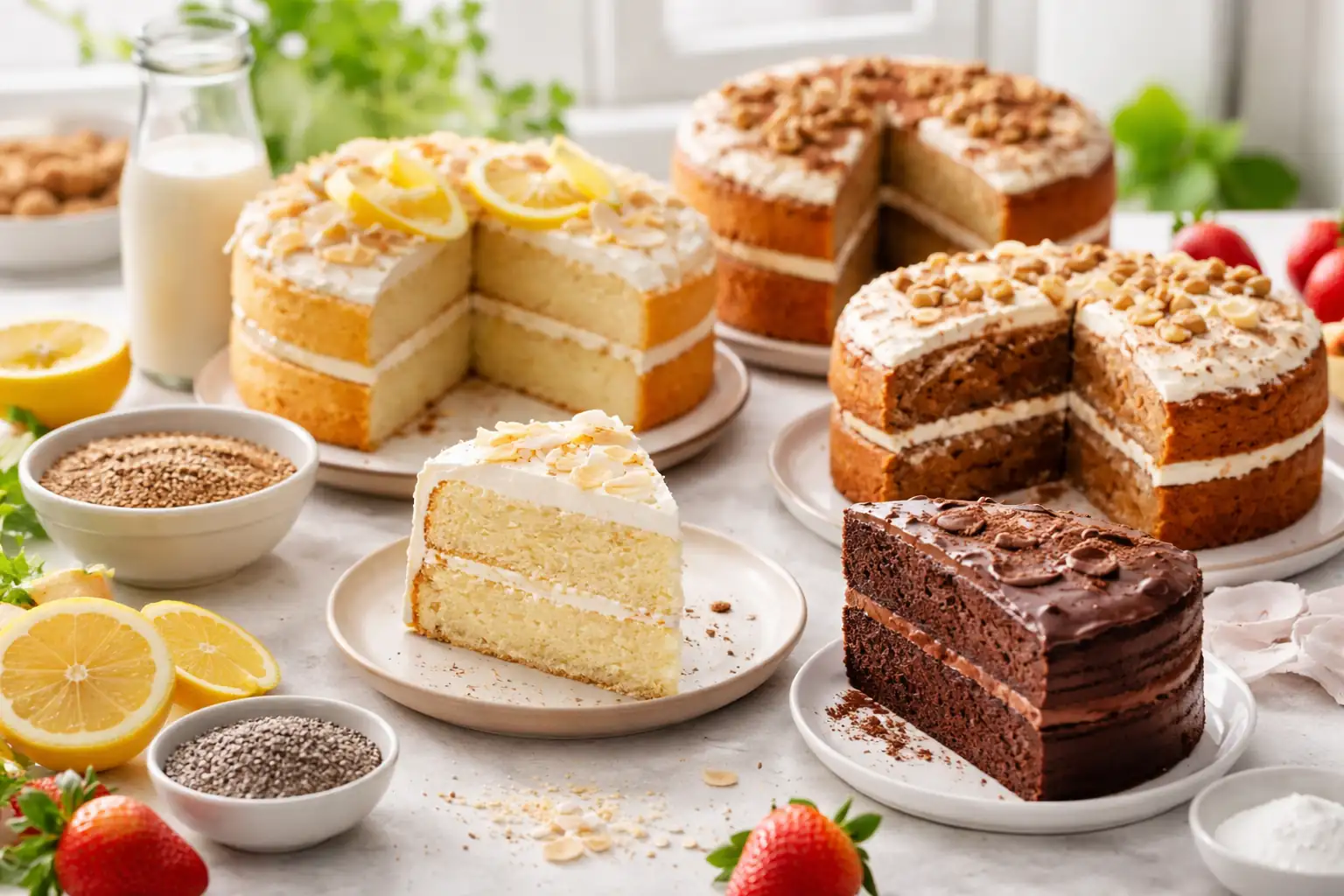
Flavours that stay light
- Vanilla
- Lemon
- Orange
- Coconut
These flavours complement a soft crumb and help highlight a fluffy vegan cake texture.
Flavours that need extra care
- Chocolate
- Coffee
- Nut-based flavours
These are heavier and require careful balancing of liquids and fats. You can explore different cake styles and flavours by browsing the cake collections available on The Pantry website.
Does colour affect the taste of the cake
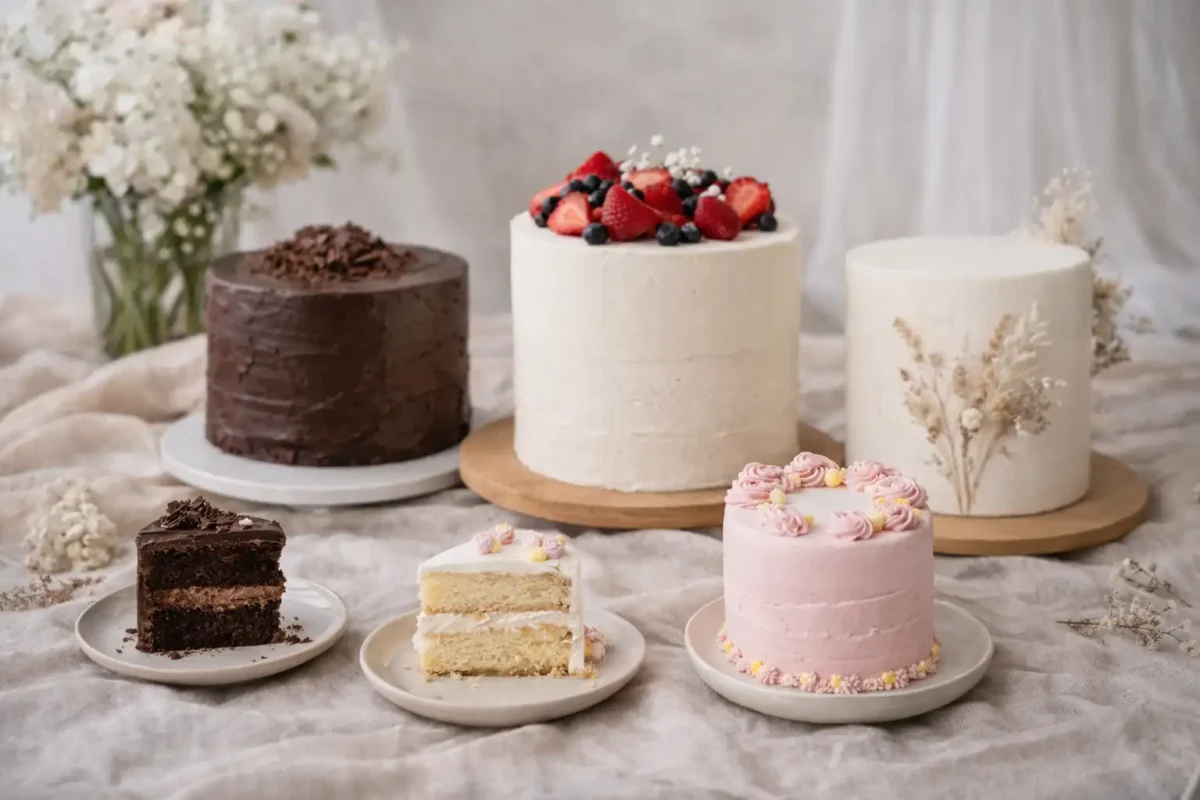
Yes, colour can influence how we perceive flavour, even in vegan cakes.
Visual cues and expectations
- Light colours feel softer and less rich
- Dark colours suggest density and richness
- Bright colours feel bold and intense
This is why lighter-coloured vegan cakes often feel fluffier, even when the recipe is similar.
Why colour matters in vegan baking
Vegan cakes rely heavily on visual cues to set expectations. When colour and texture align, the cake feels balanced and satisfying.
Vegan Cakes vs Gluten Free Cakes
It is important not to confuse vegan cakes with gluten free cakes.
Key differences
- Vegan cakes remove eggs and dairy
- Gluten free cakes remove wheat
Some cakes are both vegan and gluten free, but these require extra attention to structure to avoid density.
Final Thoughts on Vegan Cakes
Dense vegan cake issues are common, but they are completely fixable. In most cases, the problem comes down to a few small baking choices rather than the recipe itself. With the right vegan cake ingredients, proper mixing techniques, and a better understanding of vegan baking science, you can avoid heavy textures and improve structure, rise, and moisture.
Vegan cakes simply behave differently from traditional ones, and once you learn how to work with those differences, baking becomes much more predictable. When ingredients are balanced and techniques are adjusted correctly, vegan cakes can be just as soft, moist, and enjoyable as classic cakes, without sacrificing flavour or texture.